Sports & Fitness · Equipment, wearables & training gear

The best foam rollers of 2026

The best foam rollers this quarter, compared on foam density, core construction, surface texture, and length options.

We compared 16 foam rollers on construction (hollow core vs solid foam), published density and dimensions, and surface texture. These five earned the highest JellyReviews scores.

Last updated
January 15, 2026
How we rank: published specs, third-party certifications, and what verified buyers report.
§ 01 · Top 5 Rankings

Our top 5 picks for foam rollers

As an Amazon Associate I earn from qualifying purchases.

#1
EDITOR'S CHOICE
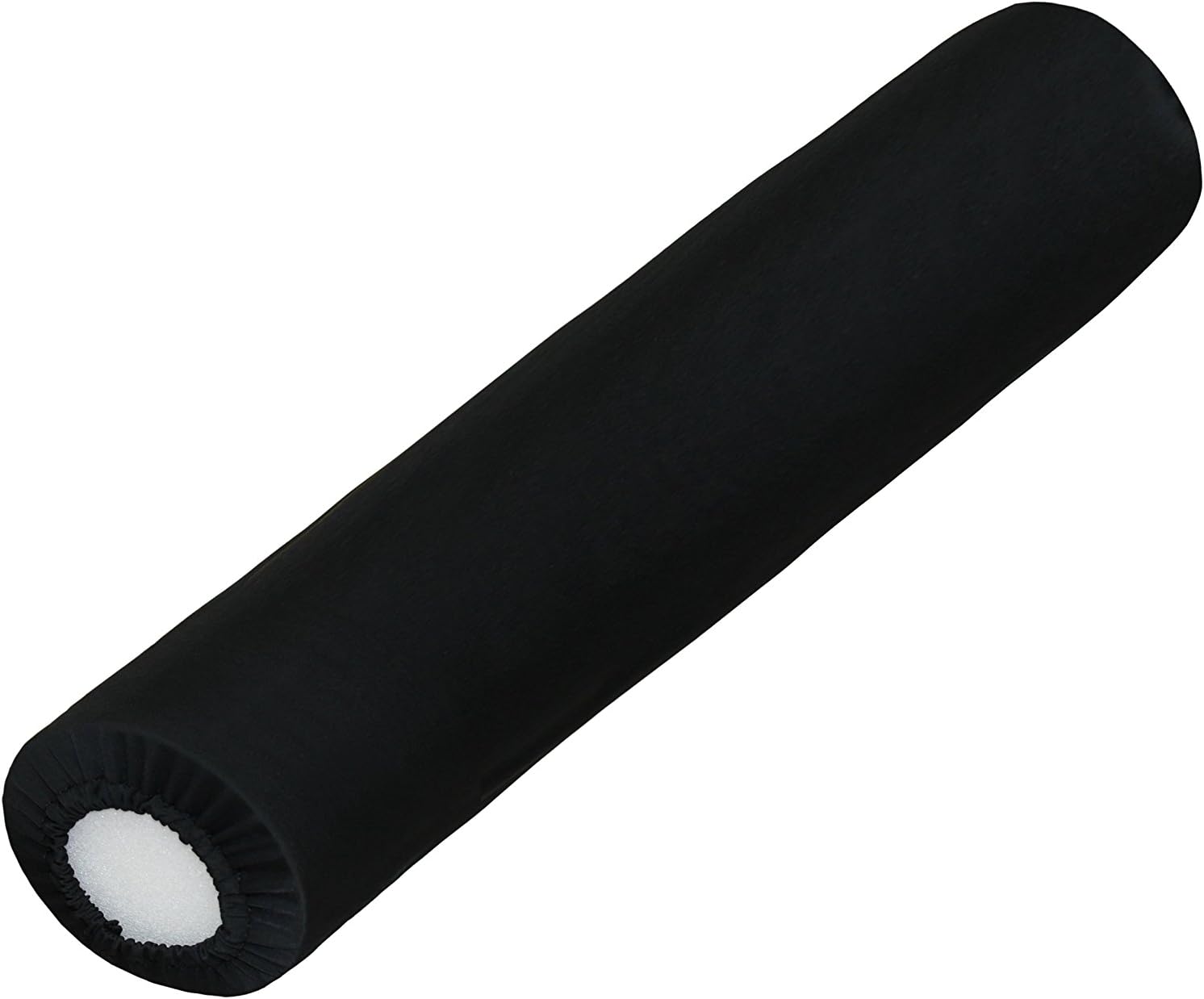
TriggerPoint GRID Foam Roller
Zoom
TriggerPoint

TriggerPoint GRID Foam Roller

9.6/10JellyReviews Score

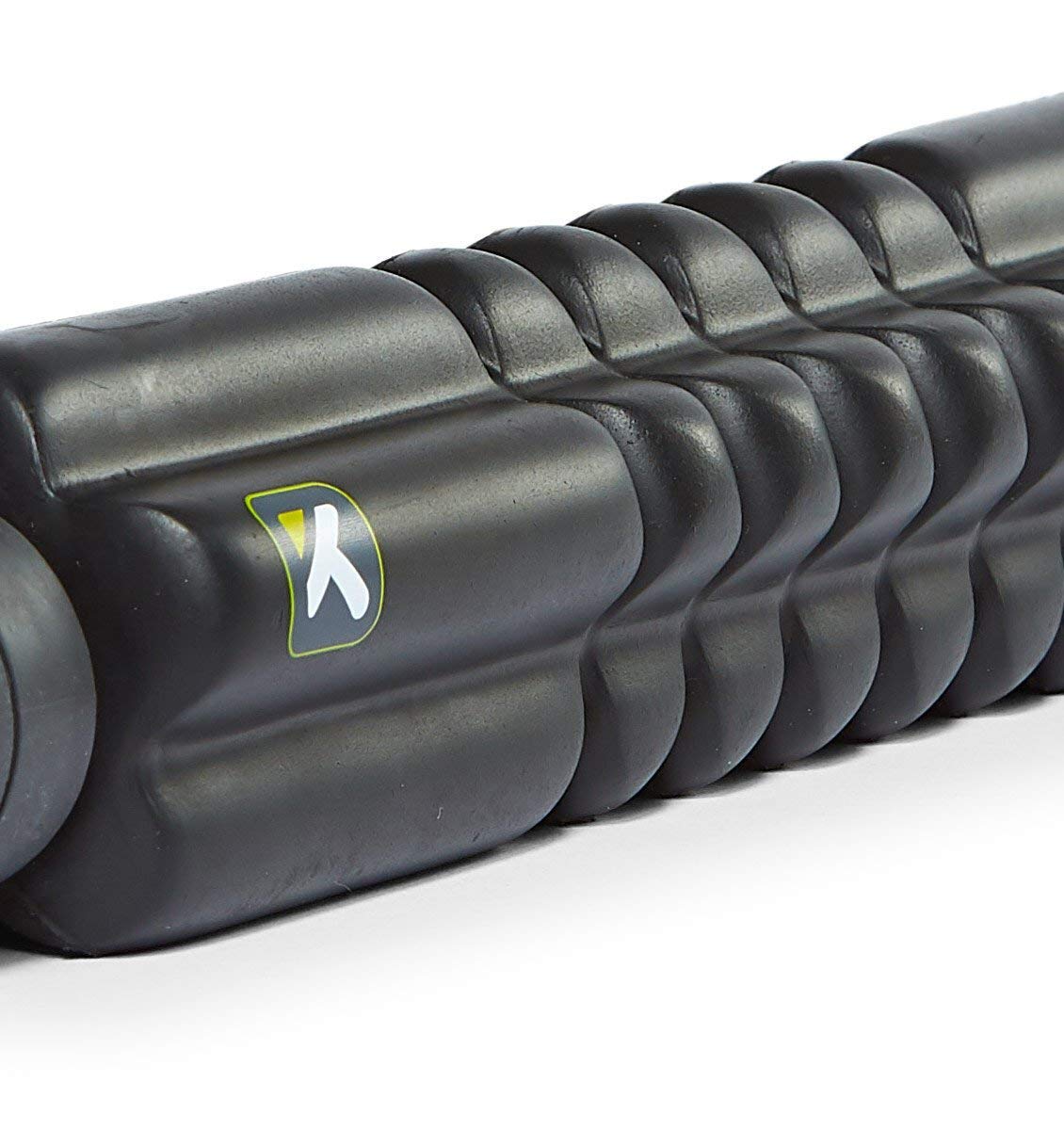
TriggerPoint GRID is the gold standard foam roller. The hollow core means it never loses shape (solid foam rollers deform over time). The multi-density surface targets different muscle groups. The rigid hollow core is what keeps it from flattening the way solid foam does. Best for experienced users who want deep tissue release.

Pros
Hollow core (won't lose shape)
Multi-density surface (3 zone design)
Durable - 5+ year expected lifespan
Best for deep tissue + recovery
Cons
Firm (too intense for beginners)
No color options
Surface collects lint
Where to buy
Amazon
Check Price
We may earn a commission from this link.
#2
PT PREFERRED
OPTP PRO Foam Roller
Zoom
OPTP

OPTP PRO Foam Roller

9.4/10JellyReviews Score

OPTP PRO is the physical therapy industry standard. The firm density suits clinical myofascial release. Made in USA with consistent quality. The solid foam deforms after 2-3 years of heavy use (vs hollow core that lasts forever). Best for rehab users and those who prefer a smooth surface.

Pros
Physical therapist preferred
Firm density (clinical-grade)
Made in USA
Available in multiple lengths
Cons
Solid foam (deforms after 2-3 years)
No texture (smooth surface)
Basic appearance
Where to buy
Amazon
Check Price
We may earn a commission from this link.
#3
BEST VALUE
AmazonBasics High-Density Foam Roller
Zoom
AmazonBasics

AmazonBasics High-Density Foam Roller

9/10JellyReviews Score

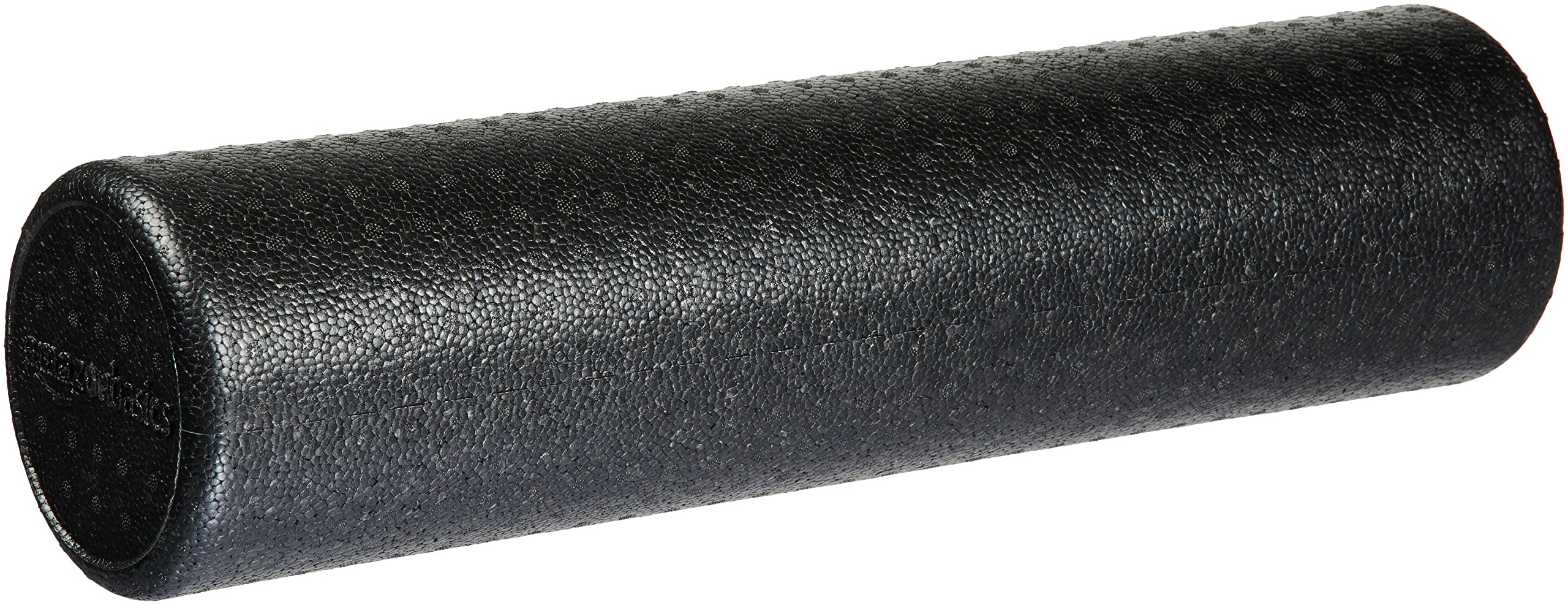
AmazonBasics is the best budget foam roller, and it gets you most of the way to a TriggerPoint for a fraction of the money. The high-density foam is firm enough for most users. The solid foam deforms in 1-2 years (vs 5+ for hollow core). Best for beginners and casual users.

Pros
Best value, a fraction of TriggerPoint
High-density foam (firm enough for most)
Multiple lengths (12", 18", 24", 36")
Lightweight
Cons
Solid foam (deforms in 1-2 years)
Smooth surface (less targeted)
Strong chemical smell initially
Where to buy
Amazon
Check Price
We may earn a commission from this link.
#4
RumbleRoller Textured Foam Roller
Zoom
RumbleRoller

RumbleRoller Textured Foam Roller

8.9/10JellyReviews Score

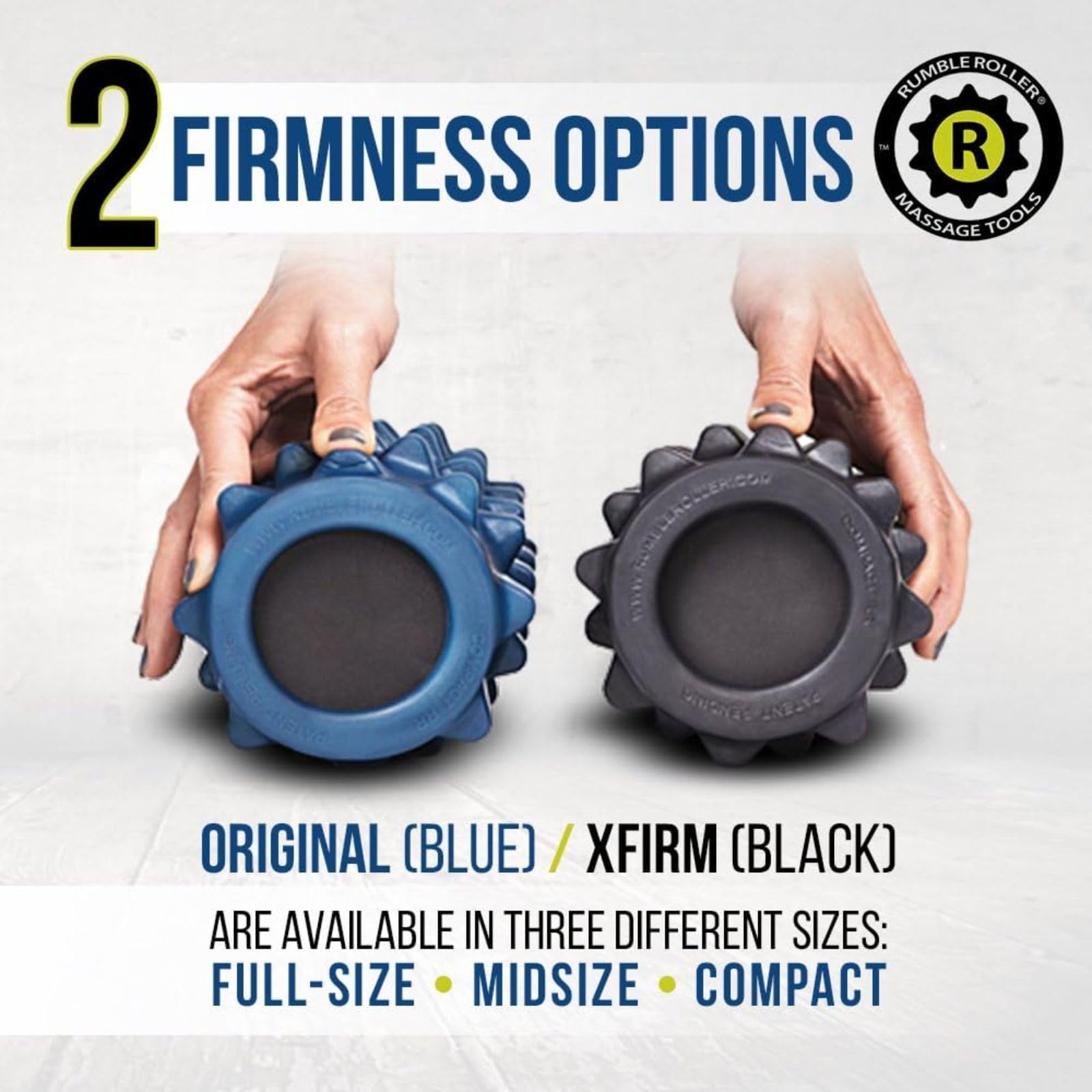
RumbleRoller is the most aggressive foam roller here. The spiked surface mimics thumbs, intense deep tissue work. Not for beginners (painful). Waterproof design allows shower use (warm water relaxes muscles). Best for advanced athletes who want maximum intensity.

Pros
Spiked surface (most aggressive of the five)
Stimulates blood flow deeply
Waterproof (use in shower)
Durable EVA foam
Cons
Too aggressive for beginners
Painful on bony areas
Premium price
Where to buy
Amazon
Check Price
We may earn a commission from this link.
#5
Idopegear Vibrating Foam Roller
Zoom
Idopegear

Idopegear Vibrating Foam Roller

8.7/10JellyReviews Score

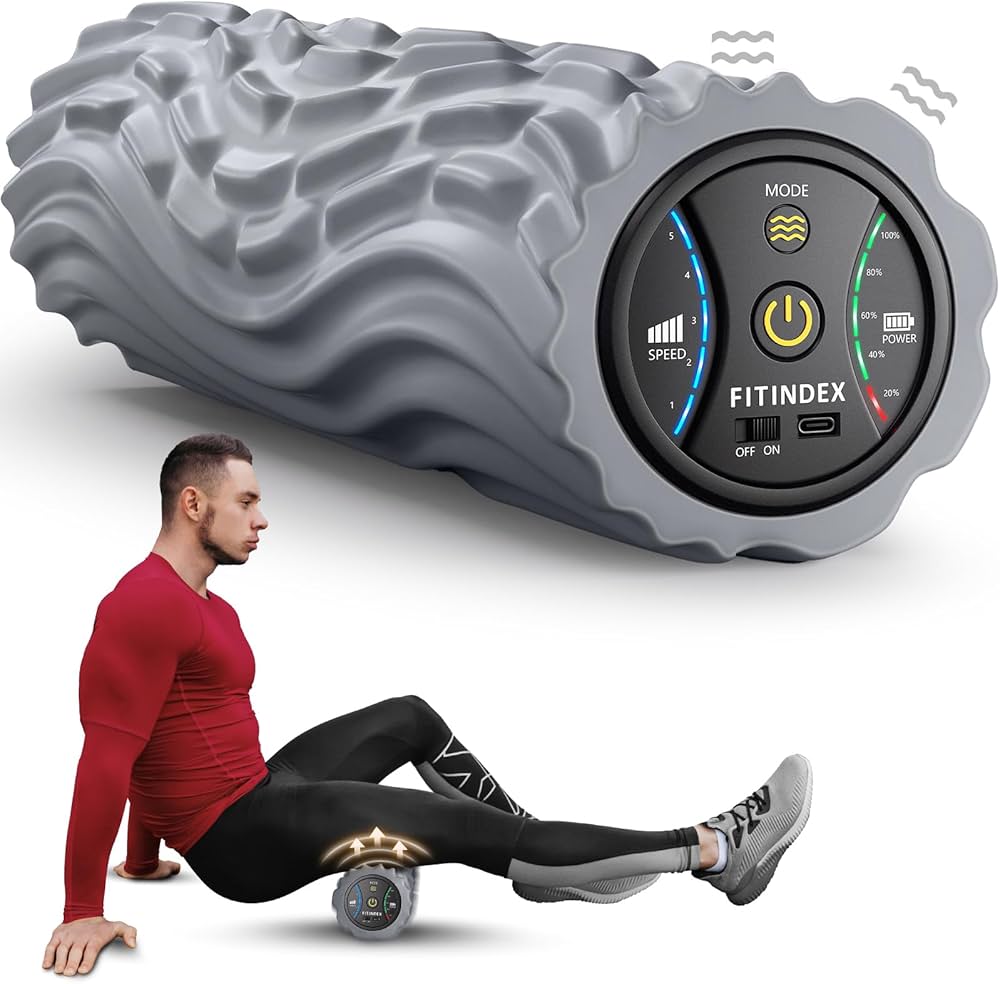
Idopegear vibrating roller adds vibration therapy to foam rolling. The 4 speeds allow customization. Studies on vibration + foam rolling show mixed results - some benefit for DOMS, minimal for flexibility. The vibration feature is nice but not essential. Best for tech-oriented users who want maximum recovery tools.

Pros
4 vibration speeds (recovery + relaxation)
Rechargeable battery (4-hour life)
Textured surface (medium intensity)
Quiet operation
Cons
Premium price
Heavier (1.5 lbs more)
Battery degrades over 2-3 years
Vibration benefit debated
Where to buy
Amazon
Check Price
We may earn a commission from this link.
§ 02 · Side-by-side comparison

Compare all 5 at a glance

RankProductBrandScoreBest for
#1TriggerPoint GRID Foam RollerTriggerPoint9.6EDITOR'S CHOICE
#2OPTP PRO Foam RollerOPTP9.4PT PREFERRED
#3AmazonBasics High-Density Foam RollerAmazonBasics9BEST VALUE
#4RumbleRoller Textured Foam RollerRumbleRoller8.9-
#5Idopegear Vibrating Foam RollerIdopegear8.7-
§ 03 · Buying guide

How to choose the right foam roller

01Density: firm vs soft

Soft density (white foam): best for beginners, seniors, and rehab. Gentle on muscles. AmazonBasics white, OPTP soft.

Medium density (blue/green foam): best for regular users. Balanced pressure. Most foam rollers are this density.

Firm density (black foam): best for athletes and deep tissue. Intense - may bruise beginners. TriggerPoint GRID, OPTP PRO.

Start soft if new to foam rolling. Progress to firm as your muscles adapt. Firm on tight muscles can cause bruising.

02Hollow core vs solid foam

Hollow core (TriggerPoint GRID): never deforms, lasts forever, more expensive. The PVC pipe core maintains shape under heavy use.

Solid foam (most rollers): cheaper, but deforms after 1-3 years of heavy use. The foam compresses permanently where you roll most.

For daily use: invest in hollow core. For occasional use: solid foam is fine. The 5-year cost is similar - hollow core wins long-term.

03Length matters for different uses

12-inch: best for travel + targeted areas (calves, arms). Easy to pack.

18-inch: best for thoracic spine (upper back). Allows full spine contact.

24-inch: best for IT band + quad rolling. Most versatile length.

36-inch: best for full back (laying on it). Longest - covers entire spine. Less portable.

For most users: 24-inch is the sweet spot. For travel: 12-inch. For back-focused: 36-inch.

§ 04 · FAQ

Questions about foam rollers

Per muscle group: 30-60 seconds. Total session: 5-10 minutes. Longer is not better - excessive rolling can bruise muscles. Roll slowly (1 inch per second). Pause on tender spots (trigger points) for 30-60 seconds until pain decreases. Always roll toward the heart (improves circulation). Avoid rolling directly on joints, lower back, or neck.

Yes, for short-term flexibility and recovery. Meta-analyses show foam rolling improves range of motion 4-8% acutely and reduces DOMS (delayed onset muscle soreness) by 6-23%. Long-term flexibility gains are smaller. Foam rolling is most effective post-workout for recovery, less effective for performance enhancement. It's a recovery tool, not a performance enhancer.

Yes, safely. Foam rolling is low-impact and unlikely to cause injury when done correctly. Daily 5-10 minute sessions are fine. Avoid rolling the same muscle group more than 2-3 times per day (overuse). Stop if you experience sharp pain, bruising, or nerve symptoms (numbness, tingling). Foam rolling should feel uncomfortable but not painful.

Probably not. Vibration adds a meaningful premium. Studies show mixed results: vibration may reduce DOMS slightly faster but doesn't improve flexibility more than regular rolling. The battery adds weight and degrades over 2-3 years. For most users, a regular TriggerPoint GRID delivers nearly all of the benefit for less money. Only buy vibrating if you have disposable income and want the latest tech.

The verdict

TriggerPoint GRID remains our top pick. The hollow core design and multi-density surface justify the premium: it lasts 5+ years against 1-2 for solid foam rollers. For physical therapy, OPTP PRO is the clinical standard. For budget, AmazonBasics delivers solid value. Skip vibrating rollers unless you want tech gadgets - the benefit is marginal.

This page contains affiliate links. We may earn a commission when you click through and make a purchase. This never affects our rankings.