How to Tell If a Supplement Brand Is Trustworthy (Without Taking Our Word for It)
A certification covers a product, not a brand. Here is where to look up the exact bottle you are about to buy, in the certifier's own database, and the four red flags that work on brands nobody has written about yet.
Why brand trust matters in supplements
The supplement industry is largely self-regulated. The FDA does not require pre-market testing before a product goes on sale, and independent testers regularly find products that miss their label claims. Brand trust is not a marketing concept here. It is a safety issue.
Four things separate a brand that lets outsiders check its work from one that does not: the certifications it actually holds, the Certificates of Analysis it publishes, its recall history in the FDA's own database, and what buyers consistently report. Every one of those is public, and you can check all four yourself in about five minutes. This piece is a map of where to look, not a verdict you have to take on faith.
The five brands that let outsiders check their work
These five hold certifications that an independent body has to renew, which means somebody other than the brand is looking. That is the bar. It is not the same as saying they have never had a problem, and we are not going to say that, because it would not be true.
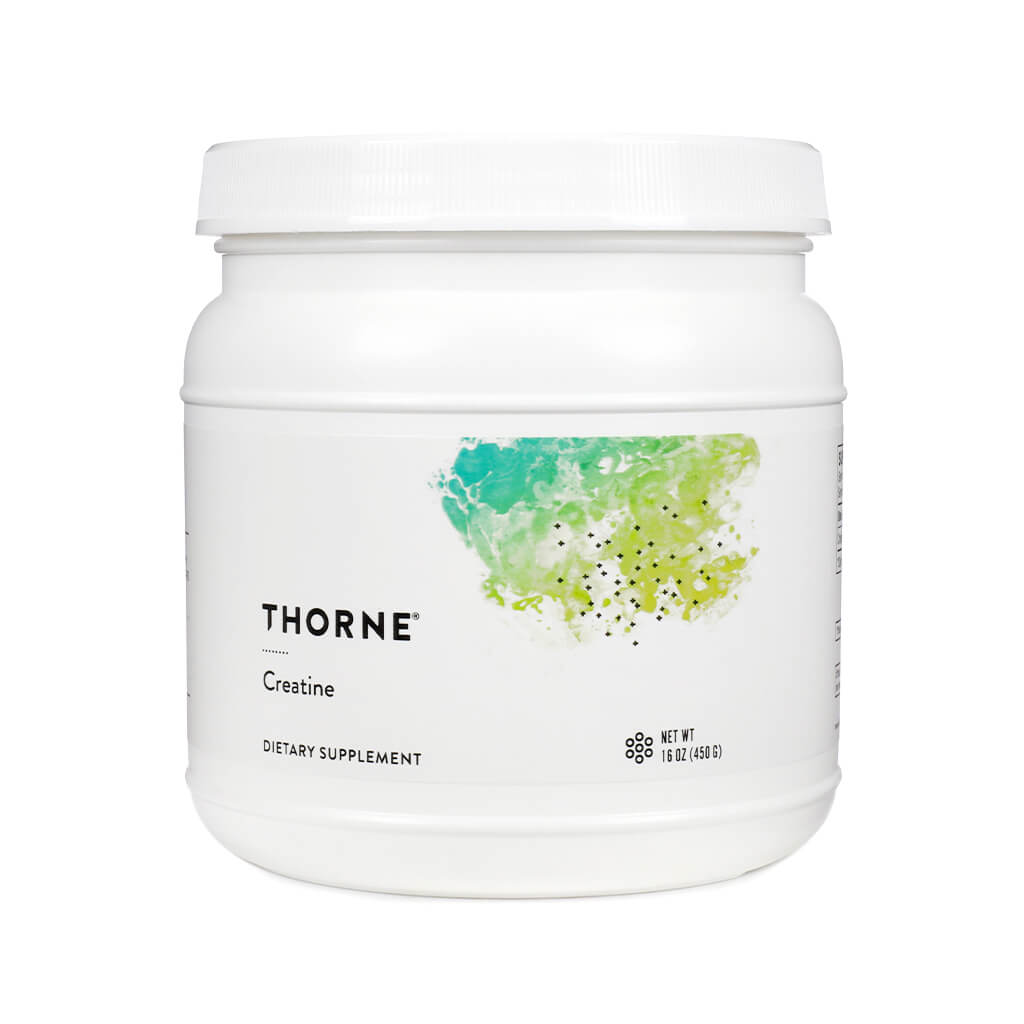
- ▸Thorne: the most extensive NSF Certified for Sport range in the industry. Read that carefully, because it is not the same as "all Thorne products". Thorne is clear that only a subset carries the certification, and NSF publishes the exact list. Look up the specific product you want in NSF's own directory before you assume it is covered.
- ▸Pure Encapsulations: hypoallergenic formulas, no fillers, binders or coatings, and an NSF-registered facility. Check the individual product for its certification, not the brand.
- ▸Nordic Naturals: IFOS 5-star across the fish oil line. IFOS is an outside body checking purity, potency and freshness (the TOTOX number) batch by batch, and it publishes the results.
- ▸Optimum Nutrition: NSF Certified for Sport on Gold Standard 100% Whey, and this is the sharpest example on the list of why the flavor matters. Search the brand in NSF's directory and exactly two listings come back: Double Rich Chocolate and Vanilla Ice Cream. Every other flavor of the same product is not in the register.
- ▸Sports Research: IFOS certified on its omega-3 line, Non-GMO Project verified.
A certification covers a PRODUCT, not a brand. "NSF Certified for Sport" on a company's homepage does not mean the bottle in your hand is certified. Search the product name in NSF's own directory at nsfsport.com. It takes twenty seconds and it is the single most useful thing in this article.
The red flags, and why we are not naming brands
The title of this piece promises three brands to avoid, and we are going to break that promise, because we cannot name a brand as unsafe without evidence we do not have. What we can do is give you the signals, which are more useful anyway because they work on brands nobody has written about yet.
- ▸No third-party certification at all. Certification costs real money and takes real time, and a brand that has skipped it has told you where its priorities sit.
- ▸Proprietary blends. "Proprietary blend 5000mg" tells you nothing about how much of anything you are getting, and that is the point of it. Choose a fully disclosed label every time.
- ▸No company website, no address, and no published Certificate of Analysis. If you cannot find out who makes it and where, that is the answer.
- ▸A label claim with no dose. "Supports immunity" is not a dose. If the amount is not on the panel, assume it is not in the bottle.
A certified supplement is worth more than a cheaper uncertified one. The premium buys the certification, not a better molecule.
How to verify a brand yourself
You don't need a lab to check if a brand is trustworthy. Here's a 3-minute checklist:
- ▸Check for NSF, USP, Informed Choice, or IFOS certification logos on the label.
- ▸Visit the brand's website, look for a "Quality" or "Testing" page with actual COAs (Certificates of Analysis).
- ▸Search the brand name on Labdoor.com, they independently test popular supplements.
- ▸Check the FDA's Supplement Adverse Event Reporting database for past recalls.
Our recommended supplement stack
Here is a science-backed stack for most adults, built entirely from brands that let an outside body check their work: